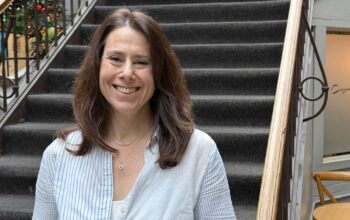
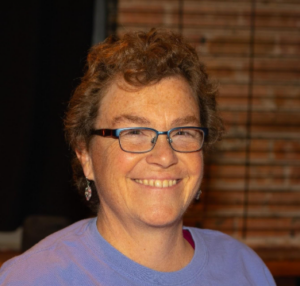
Robbie Webber is a board member for the 501(c)(3) nonprofit organization Madison Bikes, an appreciator of transit-related memes and an all-around enthusiastic bicycle advocate. Originally from the suburbs of Chicago, she first moved to Madison to pursue an undergraduate degree at UW–Madison. Since then, she has worked for the Wisconsin Bike Federation, served as a policy analyst at the State Smart Transportation Initiative and been a mayoral appointee to the Transportation Commission. In her spare time, Webber audits classes at the university and enjoys traveling around the country in her RV. With her professional expertise and considerate inclusivity, Webber shines light on the challenges transportation and land use pose in our ever-growing city.
What do you think is the biggest challenge our community faces?
I think it’s that we are a growing city. We are fortunate that people want to move here. But as cities grow, they bump up against changes that have to be made, and those changes are not always popular, especially with longtime residents. I think there are a lot of changes that need to be made that are running into resistance from people who feel that they have had political and social power in the past and don't like the fact that decisions are being made that they don’t agree with.
What do you wish people in our community understood better?
I think they need to understand that we are not a small town—that cities change, neighborhoods change, sometimes for the better, sometimes for the worse. That’s a matter of personal opinion, but cities are always changing. They are not going to be static. When you are in a growing city, you have to densify. You have to move people in different ways. Some of the things that people love about the city of Madison, like our lakes and wetlands, are also barriers to efficient movement, so we have to think about how we move people. Often that means not driving, which is difficult for a lot of people to grasp, or it’s difficult for them to make a switch if they’ve been able to drive and park freely.
If you take all the roads, all the sidewalks, all the terraces, all the bike lanes and parking areas, it’s the largest amount of public land that the city has. How are we going to use that scarce resource in the best way?
What is one change that would make life better for people in our community?
I would wave my magic wand and have everybody in the city not be able to use a car for a month and see what it’s like for people who get around without cars, either by choice or by financial necessity or because of physical limitations. I think people don't understand that we have to give people who don’t own a car ways to get around—some people just don't seem to grasp that.
What in our community gives you hope?
I’m really encouraged to hear people with new voices that understand that the city has to change. Sometimes that means we need more housing. We need more density. We need to build ways to get around that do not involve driving and parking. We need to take care of our most vulnerable populations. We need to make our public spaces, including roads, safe for everyone, including children and people with disabilities.
I’m encouraged to hear people who are thinking about the community and not just their own comfort and habits. Who say, “Yes, I may need to change my habits, but it’s good for the community.”
This interview has been edited for length and clarity.