After his roommate woke up on five separate occasions to find a bat in her room, a UW–Madison student decided he’d had enough.
It was time to do something more than continue asking his property manager to improve his living conditions.
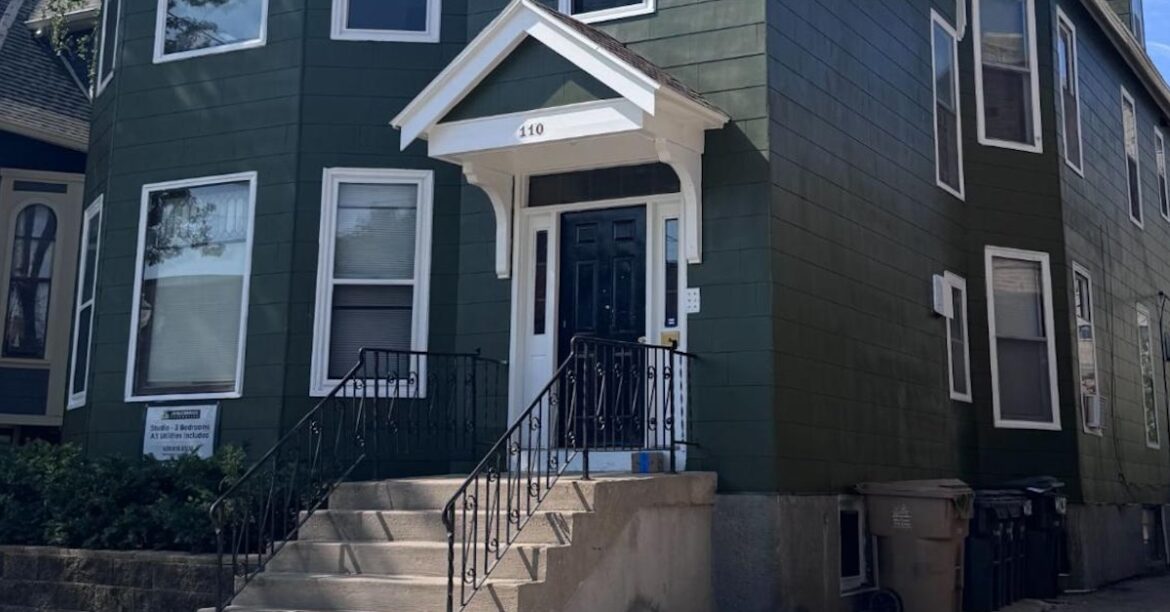
What he didn’t know was doing something would mean he, his roommates and the tenants of three other units living at 110 S. Hancock St., owned by J.D. McCormick Properties, would get back $36,646 in rent payments from March 2025 to February 2026.
Initially unsure about what to do, the student, who has requested to remain anonymous due to an ongoing dispute regarding his current living conditions, said he reached out to the Tenant Resource Center about his issues. Its lawyers directed him to schedule an appointment with the City of Madison Building Inspection to potentially receive rent abatement, according to the student.
Tenant Resource Center staff member Diego Colorado said pest issues are among the most common complaints the center hears from renters, and they are some of the hardest to fix because the cause can be harder to pinpoint. He said it is important to document everything, including in-person and phone conversations with property owners, with a follow-up message, in case renters end up having to escalate the issue via inspection or city hearings.
Overall, Building Inspection found 67 total building code violations within the building and its exterior, according to several notices from Building Inspection provided by the student.
UW–Madison students have consistently reported issues with landlords over the years, leaving many questioning if they were taken advantage of due to their inexperience renting. Madison’s vacancy rate is currently below a healthy range, making the housing market more competitive and giving landlords some collective leverage to not have to improve tenant living conditions, according to a UW–Madison Department of Planning and Landscape Architecture report.
Bats were not the residents’ only issue in the house on South Hancock Street. They received rent abatement for, among dozens of other code violations, standing water in the basement due to cracks in the ceiling, loose guardrails on staircases and the basement and rear entry doors not latching or opening properly, according to the notices.
A city ordinance says renters are eligible to receive rent back or pay temporarily reduced rates if owners don’t resolve building code violations.
Colin Smith, J.D. McCormick vice president of development, said tenants had placed rocks in the doorway to prop it open to easily get in and out of the basement while doing laundry, which caused the door to break. Smith said J.D. McCormick wasn’t aware of the issues until the initial city inspection in August 2025.
Once Building Inspection issued the violations and a deadline to correct them, the owners repaired most of the problems with the property resulting in code violations. However, they did not meet the deadline to rectify 13 of the 67 violations noted, according to the default abatement award letter.
“I do feel like the landlords were taking advantage of the fact that they were renting to students who weren’t going to stand up for themselves,” the student said. “They let their properties get into this really bad state. It clearly had been going downhill for a long time.”
Smith said J.D. McCormick takes pride in its buildings, despite the challenge of maintaining them, and does not try to take advantage of student tenants.
J.D. McCormick continually updates its buildings and works to be as proactive as possible about fixing problems, according to Smith.
“These tenants kind of used the rules and pushed as hard as they could to get as much money as they could,” Smith said. “I think they kind of took advantage of us and the situation.”
The student, his fellow tenants and the owners received a letter from the city in December 2025 informing them of the default award for rent abatement after a reinspection found certain violations had not been addressed by the November 2025 deadline.
J.D. McCormick unsuccessfully argued to reduce the amount. According to Smith, the company was delayed in completing the necessary repairs due to difficulties getting approval because the building is located in the First Settlement Historical District and because of difficulties scheduling inspections with their initial inspector, who went on an extended vacation.
The student said he recommends student renters with housing questions seek out the Tenant Resource Center at its main office at 2510 Winnebago St. in Madison.
The Tenant Resource Center is a nonprofit organization that has defended housing rights in Dane County for 45 years, according to its website. The center provides walk-in services for housing counseling and free legal advice for qualifying tenants from lawyers, according to Colorado.
The Tenant Resource Center has satellite offices at the UW–Madison Student Activity Center and the Madison Area Technical College campus. Those locations do not have lawyers on staff, so they can provide legal information but not legal advice, Colorado said.
“If you don’t know your rights and responsibilities, you can get taken advantage of. Not saying that all landlords do that, but it does make that power dynamic between [landlords and student renters] very unbalanced,” Colorado said. “The more knowledgeable you are, just in general, the better your capabilities of potentially having to stand up for yourself are.”
Photo provided by Colin Smith, vice president of development for J.D. McCormick Properties.