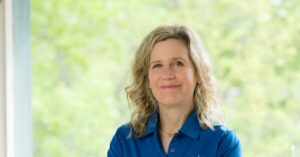
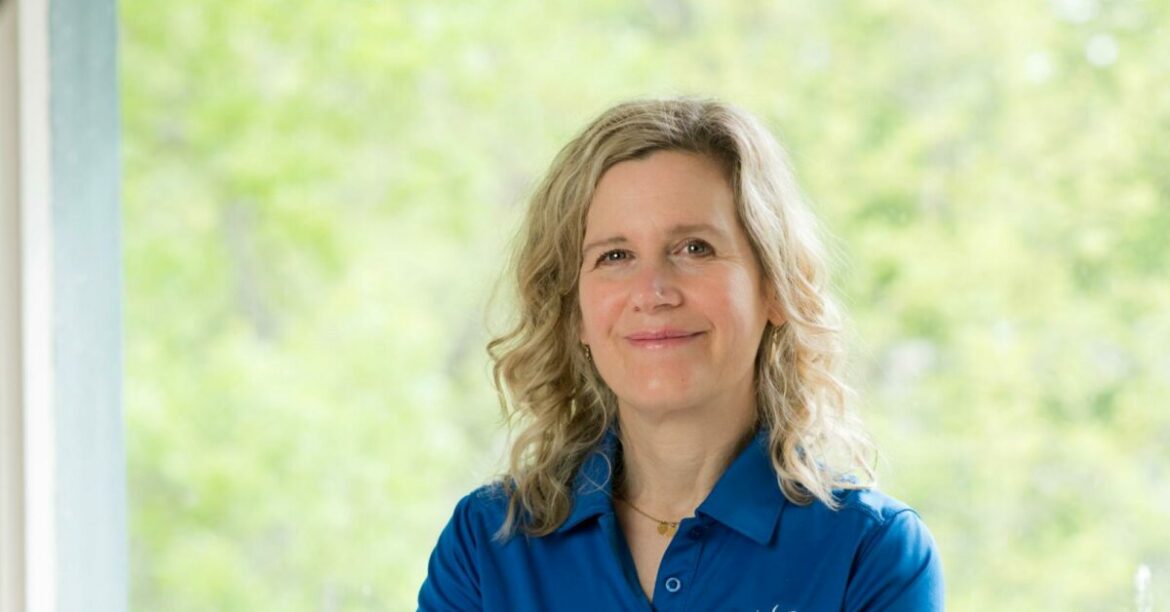
Nicole Graper is the marketing specialist for Madison School and Community Recreation, known as MSCR. She is a graduate of UW–Madison in consumer science and is the first-ever marketing specialist at MSCR. Graper’s job includes creating the triannual program guide, which outlines all the activities MSCR offers each session, while overseeing the organization’s social media and web content, sending out weekly e-blasts and managing all press-related efforts. Graper was raised on public recreation, and she loves the creativity that her job offers while trying to do what’s best for Madison residents.
What do you think is the biggest challenge our community faces?
I think the biggest challenge is the high cost of housing and our growing population, along with the high cost of essentials, which can take a toll on the value of physical and mental health. When people are stressed about money, they tend to drop fun recreational activities because they have to. That’s really what people need to stay healthy and balanced. That’s what MSCR is all about — keeping people in movement and recreation. We serve over 100,000 people, and our staff offers programming across the city at multiple locations. We work hard to create accessible programs in different neighborhoods and partner with many different agencies. We also offer fee assistance, and we have bilingual staff. In fact, one of our bilingual staff members is right now helping someone in the hallway get registered. So, we really work hard to break down barriers so people can access our programs.
What do you wish people in our community understood better?
I wish people understood the benefits of affordable and accessible recreation. There are multiple national and international studies on the impact of recreation on our physical and mental health. I believe our city is compassionate. We have so many resources that are available to help people access services and build connections. We work with so many community organizations to bridge the gap to services. We work with the Madison Reading Project. We have a relationship with them, where they come to our after-school sites, or they come to our summer after-school and campsites, and give out free books. Sometimes the Badgers, UW athletes, come, too, when we give out the books in the summer. Another example is our Goodman-Rotary 50-plus fitness program. I believe they serve 3,000 people a year, and it’s an official program where we serve older adults. Our staff is working with NewBridge, a nonprofit on the north side, and they’re holding a health fair for older adults at Warner Park. I wish people knew how vast the programs are that we have.
We do a lot of programming and cooperation with Madison Parks, because we tend to own the buildings, but then the city owns the park. So we have softball in the parks, or we have MSCR on the Move in the summer, which is Clay on the Move, Play on the Move, Outdoor Programs on the Move and the Art Cart. Those are mobile programs that travel to different parks and schools during the summer. It’s all free. We have another program called Mobile Madison, which is like the kickoff to MSCR on the Move. The Madison Reading Project comes, the library comes, some other groups that we work with come, and it’s all free. It’s fun. I get to go because I take pictures and videos, and I really enjoy it. It’s cool to see so many people who are happy and accessing programs.
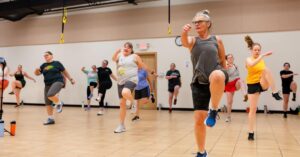
Another part that is interesting is that we are a department of the Madison School District, and we’re celebrating our centennial. Right now, we’re planning all these exciting events to celebrate 100 years across our programs. Just because we’re part of the school district doesn’t mean we are only focused on kids – we have lots of adult programming. We have adult fitness, we have adult sports, we have the older adults programming and we have masters swim in the pools. That’s early in the morning. Adults can swim before the school opens — I think that’s offered twice a week. Adult pickleball, pottery and sewing are our most popular. When registration opens at noon seasonally, those fill immediately. Everybody will see me in the grocery store and say, “Hey, I want to get into pickleball.” Good luck!
We do offer programming for all ages, not just because we’re at the school district. That’s the way it was set up 100 years ago, but we do serve all ages.
What is one change you would make if you could that would make life better for people in our community?
I think that if everyone were more compassionate and had curiosity, and if everyone could be more curious and strive to have a better understanding of each other and our community, overall, we would be stronger. People tend to pass judgment or make assumptions instead of really understanding and trying to tackle the issues that we are struggling with. That goes back to our mission of keeping an accessible community and empowering connections through art, movement and knowledge.
What in our community gives you hope?
We offer so many programs across the board, whether it’s arts, camps, fitness, sports, swimming and then all these after-school programs. So, what gives me hope is seeing all the participants really enjoying our programs because our offices are located in our recreation facilities. I see customers come and go, and it’s so exciting. Through the years, I’ve seen my neighbors come and take classes. I raised my family on our programs. Two of my kids actually worked for us, and I’m still a long-term participant — I’m in fitness classes in the evening. I see our customers talking with each other from all different backgrounds. I go to MSCR West, and before my class, I’ll see people with kids in the baton class. And then we might have yoga going on, and then there’s adult ballet in the next room. There could also be a writing class. I just love seeing how these buildings are used, and people are really enjoying all of our programming.
My colleagues are just so passionate about everything. I’m so fortunate. My kids went to the middle school after-school programs, and they learned how to ski. The programs have arts, all different interests. Teachers will stay after school and lead really cool clubs. In some cases, there’s a late bus so kids can go to clubs, then have a ride home. So many opportunities.
This interview is edited for brevity and clarity.