

By Adrianne Farrow
I am 32 years old, a single mother, and for the first time in my life, I am finally breathing.
Growing up in my house, mental health wasn’t a real thing. If you were sad, you prayed more. If you were anxious, you stayed busy. We didn’t talk about feelings; we talked about strength. But as I look at my 8-year-old daughter, I realize that true strength isn’t about staying silent; it’s about having the courage to speak up.
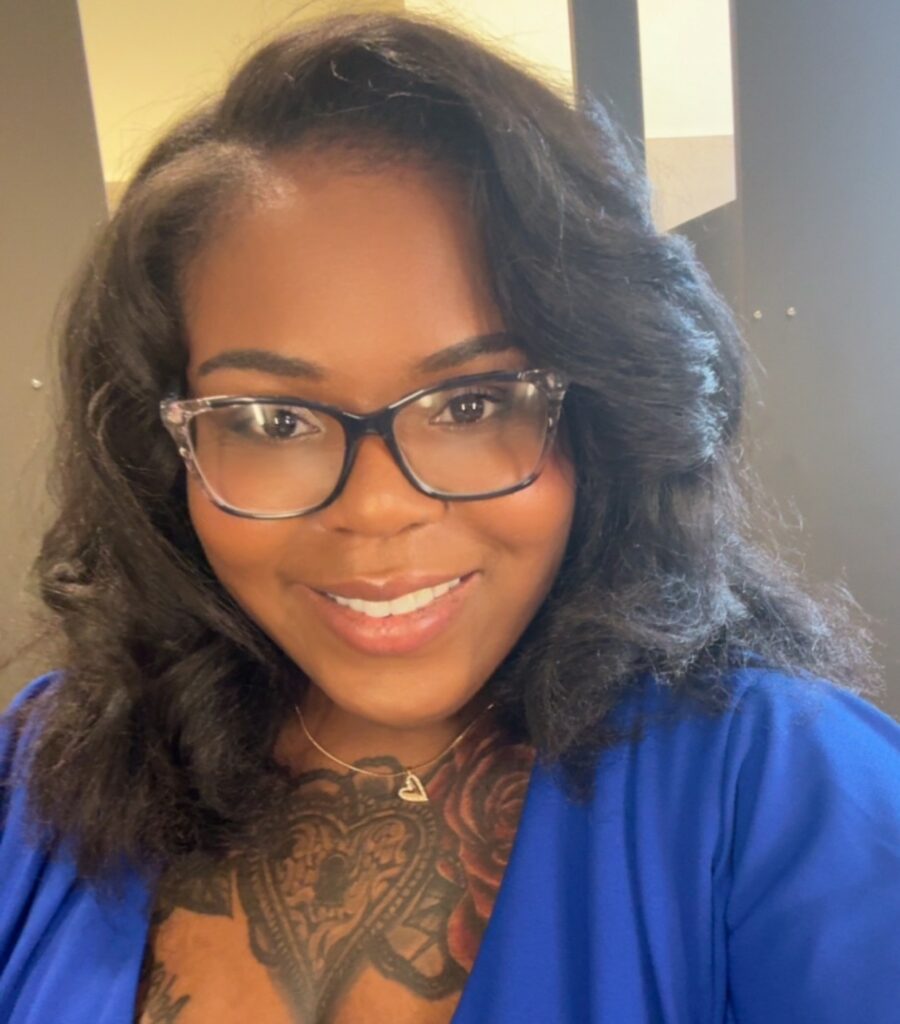
My own path to this realization wasn’t easy. It took hitting rock bottom, finding sobriety, and finally committing to therapy to understand that my strength was actually a wall I’d built to survive. Now, I take mental health as seriously as a heartbeat and, surprisingly, so do my parents. We’ve had to unlearn decades of conditioning together. When I look at my daughter, I see the stakes. According to the National Alliance on Mental Illness (NAMI), 50% of all lifetime mental illness begins by age 14. That statistic haunts me, but it also fuels me. I refuse to let her reach that age without the tools I never had. We talk about feelings as we talk about the weather — openly and without judgment. When she has a big emotion, we don’t suppress it; we name it.
The world she is growing up in is heavy. According to the World Health Organization, one in seven adolescents globally experiences a mental disorder. It often starts young; half of all mental health conditions begin by age 14. In our community, the weight is even heavier. Black youth are often less likely to receive care due to systemic barriers and the very same stigma I grew up with. In fact, NAMI reports that while one in six U.S. youth aged 6-17 experience a mental health disorder each year, many go untreated.
When my daughter faces a battle, we adapt. We use coping mechanisms like breathing exercises, positive affirmations and martial arts as outlets for anger. We’ve made therapy a normal part of our family vocabulary, not a secret to be kept in the dark. I am proud to say that even my parents, who once dismissed mental health, now take it seriously; they see the change in me and the light in their granddaughter.
It has been amazing to see my parents taking the time to communicate with my child and me. They are no longer reacting out of anger and emotion; instead, they take the time to explain, to truly listen, and to understand where someone else is coming from. I also appreciate my dad for getting sober and realizing that sobriety is the best way for people like us to live.
Growing up with Black parents from Chicago, I was used to whoopings and yelling, so it was incredible to see them grow emotionally and seek the mental health support required to thrive.
Their growth helped me focus on myself as a parent and take advantage of programs to get my past trauma and mental health under control. In turn, this has helped me become an emotionally safe, protective and rational parent.
We focus on solutions. We look for school programs that prioritize emotional well-being and policies that make counseling accessible. We’ve learned that parenting isn’t about having all the answers; it’s about being a safe place for the questions.
My daughter is only 8, but she already knows that her mind is just as important as her body. We are breaking a cycle that lasted generations. We are choosing healing over silence every single day. I’m giving my daughter the greatest gift I can: the permission to be human, to struggle and to ask for help. We are healing, one honest conversation at a time.
If you are a parent and you need assistance with helping an adolescent in your life, please reach out to any of the following resources.
- Navigation and Coordination
- Dane County Behavioral Health Resource Center: A primary entry point that helps families navigate local services and find providers regardless of insurance or financial status.
- Care Solace: A confidential service partnered with local schools to quickly match students and families with available mental health providers.
- Community-Based Support
- Journey Mental Health Center: Offers comprehensive outpatient services, including specialized child and adolescent treatment and family-centered intervention.
- Briarpatch Youth Services: Provides free 24/7 crisis intervention, counseling and emergency shelter for youth ages 12–17.
- RISE Wisconsin: Delivers home- and community-based services designed to support children living with mental health challenges within their family unit.
- Clinical and Specialized Care
- UnityPoint Health Meriter - Child & Adolescent Psychiatry: Provides expert clinical care for a wide range of psychiatric conditions in young people.
- Shorewood Behavioral Health: Offers acute inpatient programs specifically for adolescents and teens struggling with mental health or substance use disorders.
- Rogers Behavioral Health: Specializes in intensive outpatient and partial hospitalization programs for conditions like OCD, anxiety and depression.
- Crisis and Emergency Contacts
- 988 Suicide & Crisis Lifeline: National 24/7 support for anyone in emotional distress or crisis (call or text 988).
- Dane County Crisis Helpline: Local 24-hour emergency mental health support at (608) 280-2600.
- Wisconsin HOPELINE: A text-based crisis service available by texting “HOPELINE” to 741-741.