
By Hanna Cutler
“You have to choose to be happy, or the rest of your life is going to be miserable.”
My mother’s words sank into my chest like a knife, carrying the realization that she could not see the invisible illness festering in my brain. I wanted her to know I wasn’t choosing to let the fog of depression suffocate my thoughts. I wasn’t choosing to let the gnats of anxiety consume every quiet moment until pressure built behind my eyelids.
Too often, adults mistake symptoms of mental illness for attitude or personal choice, leading to punishment or dismissal. But mental illness isn’t a choice. It’s a weight. I’ve never been consistent in the gym, but at the age of 14, out of necessity, I learned to lift the weight of a dopamine imbalance. I carried that weight every day. Even while drowning in tears, my mother couldn’t see.
I’m far from alone. Nearly one in five youth ages three to 17 in the United States has been diagnosed with a mental, emotional or behavioral health condition, according to the Centers for Disease Control and Prevention. Yet despite how common these struggles are, many parents still interpret their children's emotional reactions as misbehavior.
Research shows this disconnect clearly. In a 2022 study of young children, fewer than four in 10 parents whose child met the criteria for a mental health diagnosis recognized that their child needed help. Mental health professionals say this response misses what children are actually trying to communicate through their behavior.
“Listen before you label them,” said Felica Harris, a peer support specialist at the Behavioral Health Resource Center in Madison, offering advice to parents “Respond with curiosity instead of correction. They don’t need us to correct them. When we as adults slow down and believe children the first time when they show us that they’re struggling, we can reduce that shame, prevent escalation and prevent lifelong patterns of untreated distress.”
When adults get on their child’s level and make space for big emotions, they help youth with mental illness develop the skills that support lifelong well-being. Research by a Penn State developmental psychologist shows that when children are supported in understanding and expressing their emotions, those skills are linked to better behavioral and physical health outcomes later in life.
“It is really about not trying to utilize our credentials and our certifications and licenses to make what we want to fit their lives,” Harris said, “but to figure out how we can mold and fit into their lives.”
Parents don’t have to get it right the first time. Mine didn’t. But it is never too late to listen.
One night, after I tried to explain again through tears that I couldn’t just “snap out of it,” my mother didn’t argue. She sat on the edge of my bed, quieter than I had ever seen her, and asked, “What does it feel like?”
Then she reached for my hand and didn’t let go.
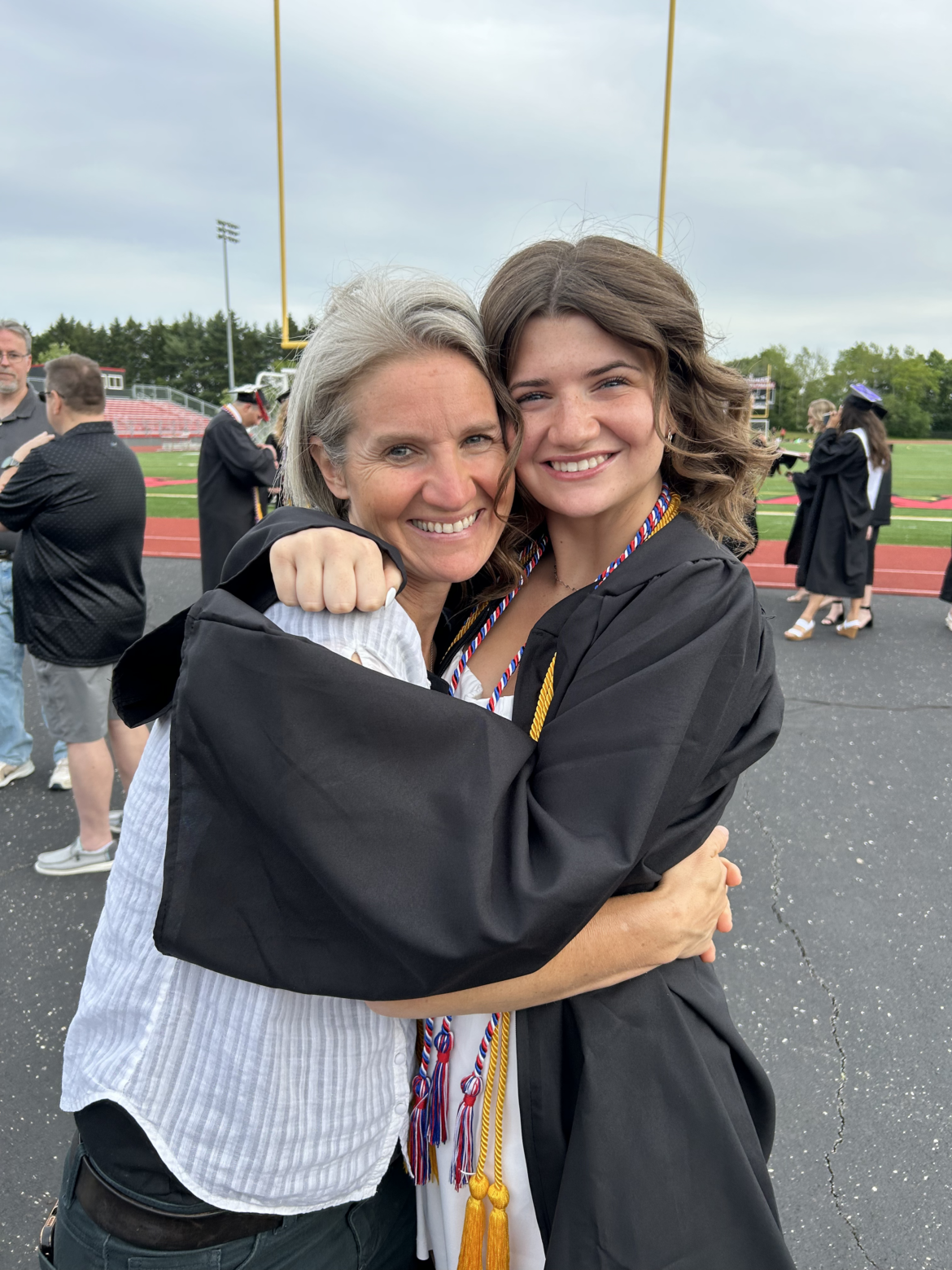
My mother has become my fiercest advocate, attending every doctor’s appointment, pursuing every avenue, speaking up at every moment to make sure I have the resources I need to live unburdened. That change began with something simple: she chose to believe me.
Across the country, countless children are still waiting for that moment. They are waiting for an adult who will look past the label of “dramatic,” “difficult” or “lazy” and see the distress underneath. They are waiting for someone willing to sit beside them when they are in the fog of depression until it begins to lift through hard work and attention.
What children need most is the courage of an adult willing to listen, believe them and be vulnerable alongside them. Children can’t simply choose to be happy, but parents can choose to listen.